This project reinforced a principle I now consider central to design leadership: improving a design team rarely starts with improving design output. It starts with understanding the environment designers operate in and building the systems that allow them to succeed consistently.
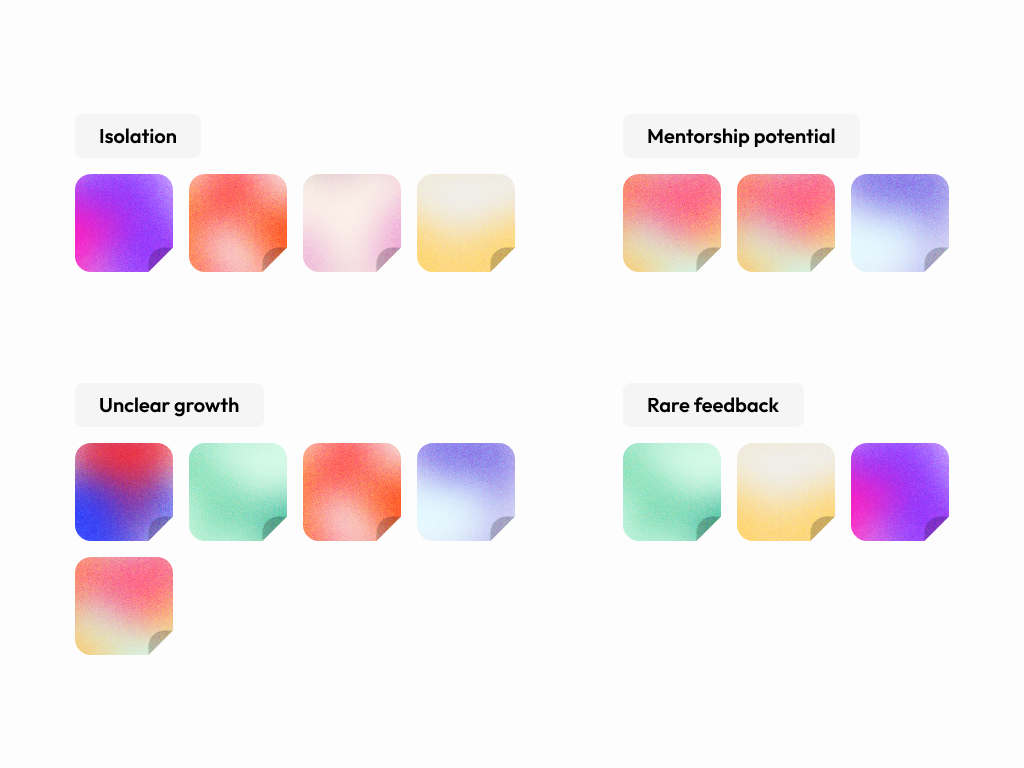
The diagnostic interviews revealed that the main barriers facing the team were structural rather than individual. Designers were talented and motivated, but they lacked clear feedback loops, shared practices, and transparent growth frameworks. In other words, the issue was not capability—it was infrastructure.
One key learning was the importance of diagnosis before intervention. The interviews allowed the team’s challenges to emerge directly from designers’ experiences rather than assumptions from leadership. This made the subsequent initiatives easier to adopt because they addressed needs that designers themselves had articulated.
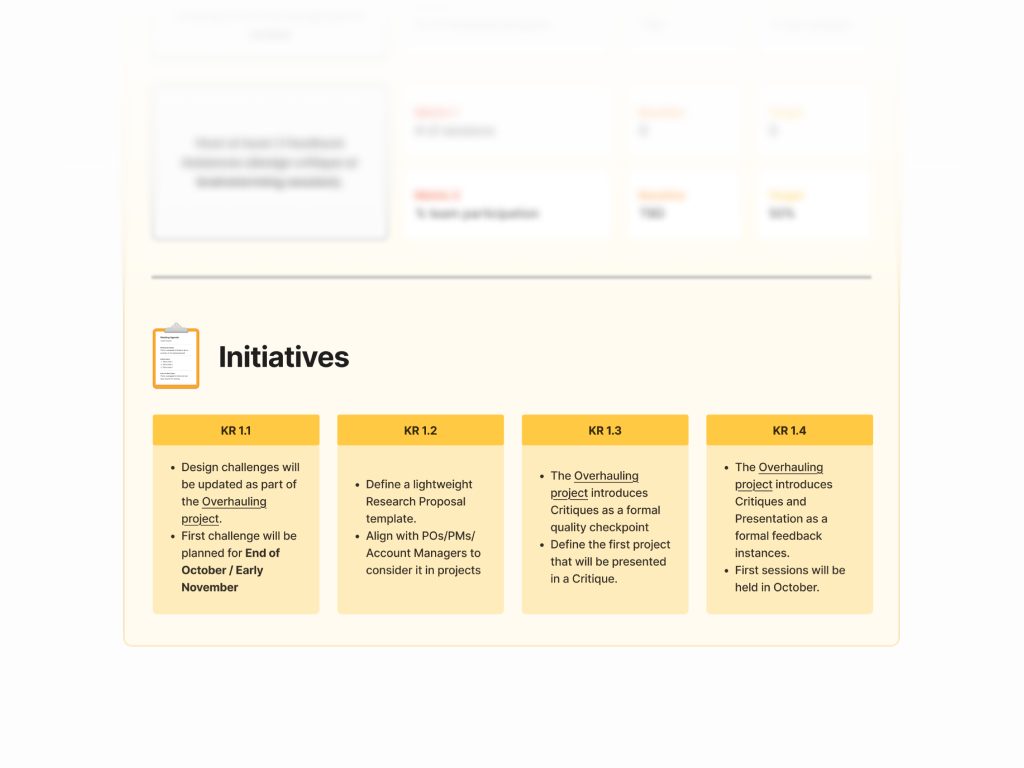
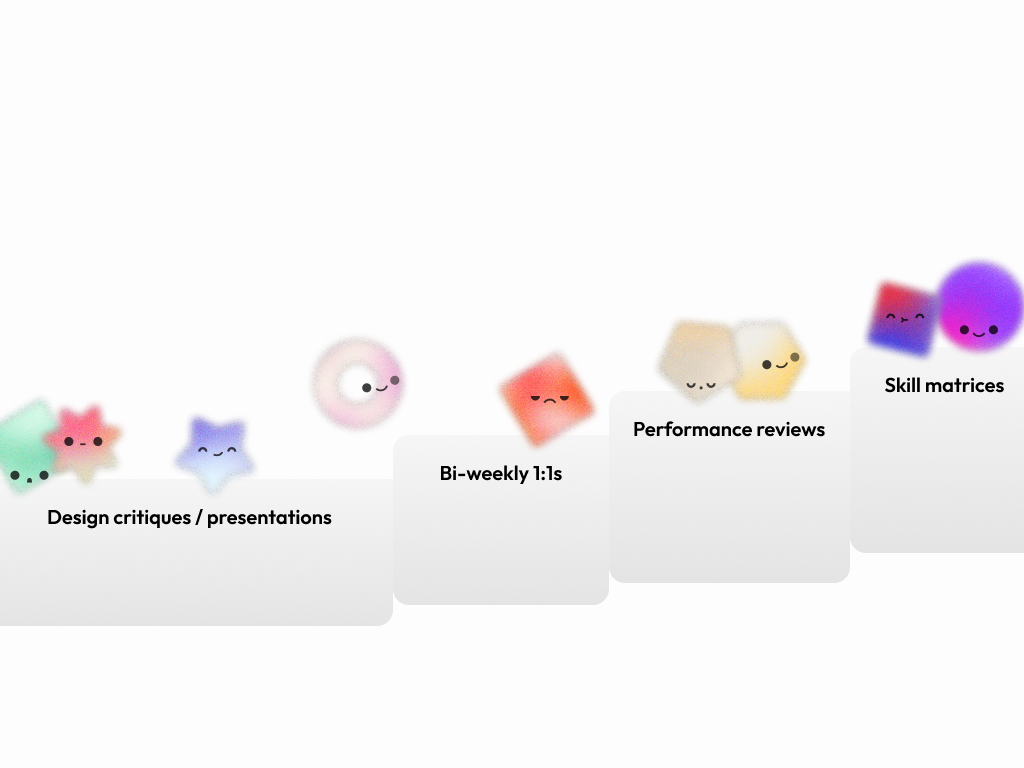
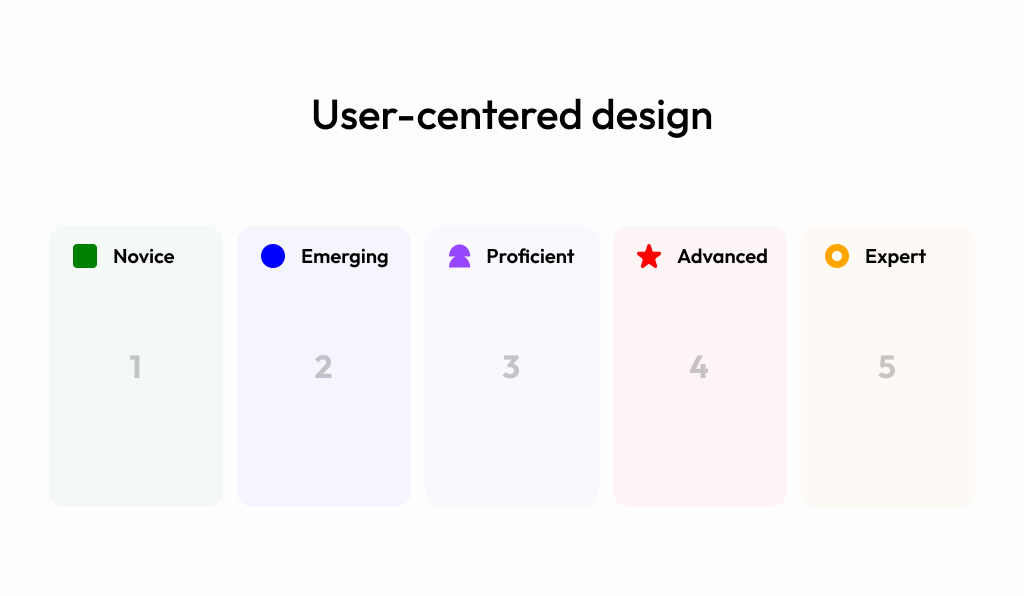
Another insight was the compounding effect of small systems. None of the interventions were complex on their own: recurring 1:1s, critique rituals, a skill matrix, and structured reviews. Their value came from how they reinforced each other. Feedback sessions surfaced improvement areas, the skill framework clarified development paths, and 1:1s provided the space to support that progress.
Finally, the experience reinforced that leadership impact often comes from making invisible work visible. Feedback, collaboration, and professional growth were already happening informally within the team, but inconsistently. By turning them into repeatable systems, they became reliable drivers of improvement rather than occasional moments of progress.
The experience reinforced my belief that design leadership is not only about guiding projects, but about building the conditions in which designers can consistently do their best work.